
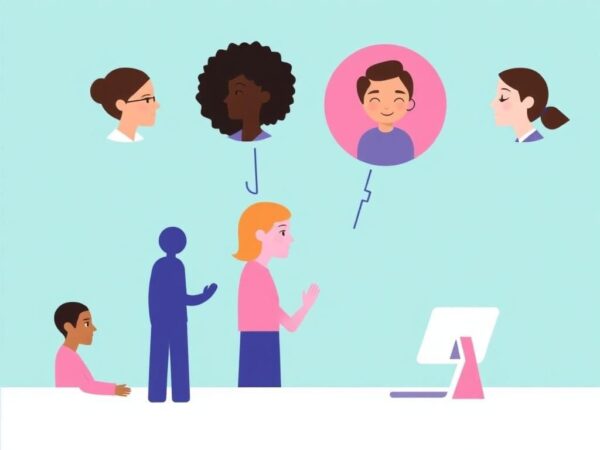

As we look toward 2025, the integration of AI tools in the hiring process presents a pivotal opportunity to enhance diversity in the workplace. By leveraging advanced analytics and unbiased algorithms, organizations can effectively remove barriers and broaden their talent pools. This shift is particularly crucial in sectors like automotive innovation, where diverse perspectives drive the future of vehicle design, as highlighted in this exploration of the future of vehicle design.
The Importance of Diversity in Hiring
Before exploring the role of AI in diversity hiring, it’s essential to understand why diversity is crucial in the workplace. A diverse workforce leads to:
Machine Learning & Artificial Intelligence
- Increased Innovation: Diverse perspectives foster creativity, leading to innovative solutions and products.
- Better Decision-Making: Teams with varied backgrounds tend to make decisions that consider multiple viewpoints, enhancing problem-solving.
- Improved Employee Performance: Diverse teams often outperform homogenous ones due to a broader range of experiences and ideas.
- Enhanced Company Reputation: Companies committed to diversity are more attractive to top talent and can significantly boost their employer brand.
How AI Tools Enhance Diversity Hiring
In 2025, leveraging AI tools to enhance diversity hiring can transform workforce representation and create more inclusive environments. These technologies streamline candidate sourcing by analyzing resumes and identifying diverse talent effectively. For more insights on building an impactful resume, check out Resume Building Advice.
AI tools streamline and enhance the hiring process, enabling organizations to focus on attracting diverse candidates. Here are some ways AI is being utilized:
1. Resume Screening
AI-driven resume screening tools can analyze thousands of applications quickly, filtering candidates based on skills and qualifications rather than demographic information. This approach minimizes unconscious bias, leading to a more equitable selection process.
2. Job Description Analysis
Many organizations unknowingly use biased language in their job descriptions, which can deter diverse candidates from applying. AI tools can analyze job postings to identify such biases and suggest alternative phrasing that is more inclusive.
| Biased Language | Inclusive Alternative |
|---|---|
| “Rockstar” | “Talented professional” |
| “Ninja” | “Skilled individual” |
| “Young and energetic” | “Dynamic and motivated” |
3. Candidate Sourcing
AI tools can help identify potential candidates from various platforms and networks. By analyzing data from social media, professional networks, and other online resources, AI can recommend candidates who might not be actively seeking a new job but fit the desired profile.
Machine Learning & Artificial Intelligence
4. Bias Detection in Hiring
AI can continuously monitor hiring decisions, analyzing patterns for potential bias. For instance, if certain demographics are consistently overlooked during the recruitment process, AI tools can alert HR teams, prompting them to re-evaluate their strategies.
Implementing AI Tools for Diversity Hiring
To successfully integrate AI tools into diversity hiring, organizations should consider the following steps:
- Define Diversity Goals: Establish clear objectives for diversity hiring based on organizational needs and values.
- Select the Right Tools: Research and choose AI Solutions that align with your diversity goals and recruitment process.
- Train the AI Models: Ensure your AI tools are trained on diverse datasets to minimize bias in their algorithms.
- Monitor and Adjust: Regularly review the effectiveness of AI tools in achieving diversity goals and make necessary adjustments.
- Foster a Culture of Inclusion: Combine AI-driven recruitment strategies with initiatives that promote an inclusive workplace culture.
Challenges and Considerations
While AI tools offer significant advantages, organizations must also be aware of the challenges:
1. Data Bias
If the data used to train AI systems reflect historical biases, the output will likely perpetuate those biases. It’s vital to constantly assess the data input for fairness.
2. Overreliance on Technology
While AI can streamline processes, human judgment is irreplaceable. Organizations should balance AI tools with human oversight in hiring decisions.
Engineering & Technology
3. Transparency Issues
Many AI algorithms operate as ‘black boxes,’ making it challenging to understand how decisions are made. Companies must strive for transparency in their AI processes.
Real-World Examples of AI in Diversity Hiring
Several organizations have successfully implemented AI tools to enhance diversity in their hiring processes. Here are a few examples:
Machine Learning & Artificial Intelligence
1. Unilever
Unilever utilizes an AI-driven recruitment platform that includes game-based assessments to evaluate candidates. This approach not only reduces bias but also allows for a more engaging candidate experience.
2. Johnson & Johnson
Johnson & Johnson deploys AI tools to analyze job descriptions and source talent. Their focus on inclusive language in job postings has led to a noticeable increase in diverse applicants.
3. Accenture
Accenture uses AI to monitor employee demographics and hiring trends continuously. This data-driven approach helps them adjust their diversity hiring strategies effectively.
The Future of Diversity Hiring with AI
As we look towards 2025, the integration of AI tools in diversity hiring is expected to grow even further. Organizations will likely adopt more advanced AI solutions that leverage machine learning and natural language processing to enhance their hiring processes.
Key Trends to Watch:
- Increased Personalization: AI will enable personalized candidate experiences, enhancing engagement and attracting diverse talent.
- Greater Collaboration: Companies will collaborate with AI vendors to develop tailored solutions that align with their specific diversity goals.
- Ethical AI Practices: Organizations will prioritize ethics in AI development, ensuring tools are designed to promote fairness and diversity.
In conclusion, AI tools are poised to revolutionize diversity hiring by streamlining processes, minimizing bias, and enhancing candidate sourcing. However, organizations must approach AI integration thoughtfully, balancing technology with human insight to create an inclusive workplace. As we move forward, the commitment to diversity will only strengthen, and AI will play an integral role in shaping the future of recruitment.
FAQ
What are the benefits of using AI tools for diversity hiring in 2025?
AI tools can help eliminate biases in the hiring process, streamline candidate sourcing, and identify diverse talent pools, ultimately leading to a more inclusive workforce.
How can AI tools improve the recruitment process for diverse candidates?
AI tools can analyze job descriptions for bias, suggest inclusive language, and recommend strategies to reach underrepresented groups, enhancing the overall recruitment process.
What features should I look for in AI tools for diversity hiring?
Look for features such as bias detection algorithms, diversity analytics, candidate matching, and customizable reporting to effectively measure and improve diversity hiring efforts.
Are AI tools for diversity hiring compliant with employment laws?
Yes, reputable AI tools are designed to comply with employment laws and regulations, ensuring that diversity hiring practices are both ethical and legal.
Machine Learning & Artificial Intelligence
How can companies measure the effectiveness of their diversity hiring initiatives using AI?
Companies can track metrics such as the diversity of candidate pipelines, hiring rates, and employee retention statistics using AI Analytics tools to measure the effectiveness of their diversity hiring initiatives.
What are the challenges of implementing AI in diversity hiring?
Challenges include ensuring data quality, addressing potential algorithmic biases, and integrating AI tools with existing HR systems while maintaining transparency in the hiring process.